


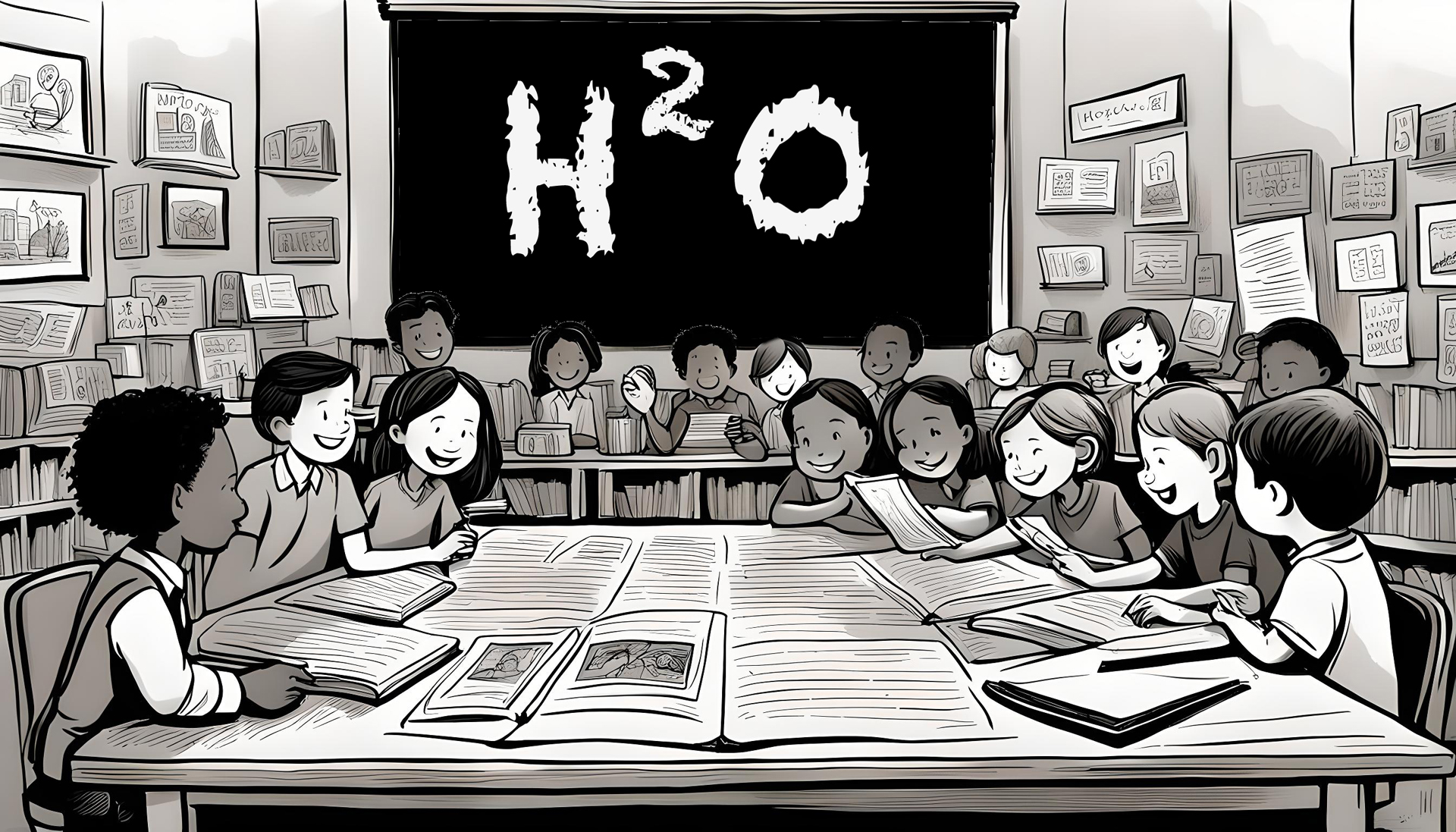
Publishing: from cave walls to spatial computing
People have always shared what they know and made up what they don’t know. This might be a discovery, a warning, a memory or a jolly fine yarn. Publishing just means making something public – books being just one way of doing it.
From cave walls to phones
I like to picture a cave painting being used as it was perhaps meant to be: some storyteller-artist making their wall drawings as they tell the tale of the hunt with an excited audience asking questions. We can’t know for certain, but the urge to record something and share what it means is ever strong. Since cave days we’ve added messengers on ponies, town criers on the streets, illuminated calligraphy on vellum, print on paper, film … on film, and radio/tv signals bouncing off space satellites. Each does something the others can’t. A book can be handed around, a storyteller can adapt to the room, and a film using CGI can show what you’d never be able to witness.
The means change, but the need to share stays the same.
Everybody’s a publisher
Today, anyone with a phone can film pollution entering a river and send it round the world within minutes. Individual ‘Citizen Scientists‘ now add to scientific projects and question official accounts.
Society is publishing itself to itself.
That’s an instant gain but this freedom and speed of publishing can put truths at risk. A genuine recording can be given a false date or place, and faked images and voices are getting harder to spot. Checking what we see will matter more and more. For WOW, the job has always been to help people see the connections behind a single event and understand why clean water matters to every living thing. Today, our job includes sifting through messages to avoid untruths.
The audience enters the story
Readers have always imagined their way into storybooks. Today, AI characters get involved in fictional worlds and can influence how a story unfolds. WOW’s own use of characters like Tapman and Pluggy may soon, with the help of augmented reality and spatial computing, be telling the water stories attached to an object in our collections, or guide your walk through a water process that text and images alone can’t convey.
What this means for WOW
Our imprint, Little People Books [LPB], has always focused on early readers – books that give young readers time to think. Our live performance storytelling gives you a person in the room. Though new to film, WOW’s first shorts are getting some good hits and comments on Instagram at waterheritage, and we’re looking at ways that games can test both water understandings and the consequences of neglecting polluted water.
The method should fit the message
Though some of WOW’s publications include myths and fables like the tale of the blue Gumpleploo who stole and ate time, we like them to always say true things about people. But a good story shouldn’t replace evidence.
Behind the stories we all tell, water connects our bodies, food, wildlife, industries, history and beliefs, but the links aren’t always clear. A book is an easy way into history, a mussel pearl is harder, but both can lead to a local stream. Our focus remains on finding the best ways of making such water links visible, memorable and enjoyable.
What we need now
We need help with video podcasts and interviews, animation that explains water processes, and augmented reality that links objects and places to information. We’re also curious about spatial computing. We don’t need to master all of it ourselves. We need people with the curiosity and skill to try things, such as writers, artists, filmmakers, educators, scientists, or someone who knows a local river or a traditional craft.
Every medium uses water
Books need paper, ink and transport. Digital media needs devices and electricity; and many data centres use a lot of water for cooling. Neither is automatically better or worse. For a water charity, the question is what a medium achieves, what it uses, and always whether there’s a lighter way to do the same job.
Knowing more isn’t the same as doing more
We observe the Earth in more detail than ever before, through citizen science, satellites and sensors. But more data doesn’t mean we agree on what to do. We can identify damage and still disagree on the repair. We can understand pollution and carry on polluting.

Perhaps shared information can slowly build a wider sense of how interdependent we are.
Forests have their “Wood Wide Web” of roots and fungi, passing resources between trees. Though our own networks are very different, the comparison asks us to look and look again at how information, resources and consequences travel between us. Water is a good way into that, because it links local to global, and today’s decisions to consequences years or generations away – as anyone looking out to sea from the dockside of a large container port will realise, 24/7.
And you are bound to want to know if we’ve tried using AI. In short, yes. In 2023 our webmaster took us through a four month course on AI and our first publication about looking for water on other planets is available for free download ……. (down below)
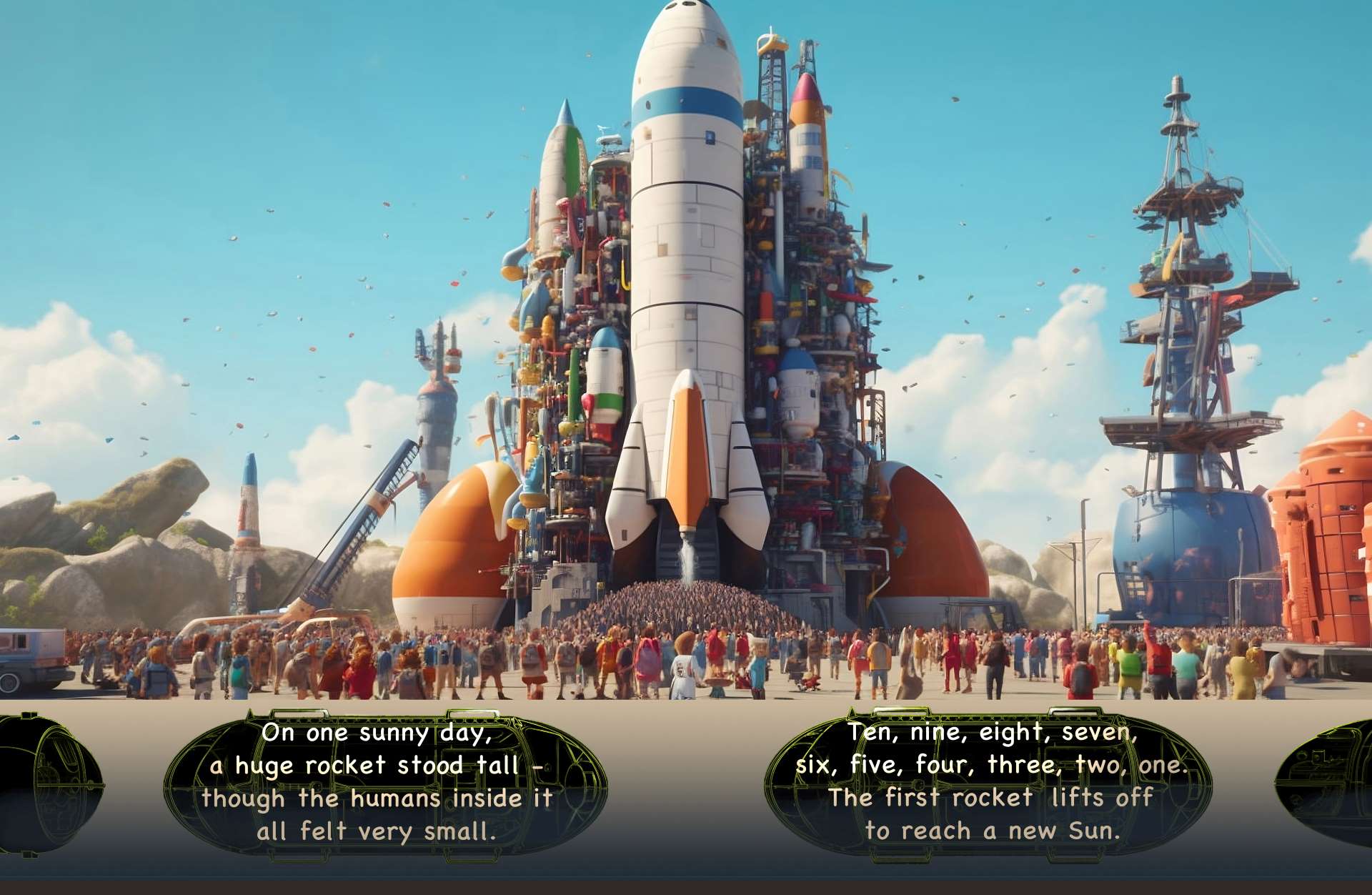
CLICK HERE to download all 38 pages of SPACE ADVENTURE EX
Help us make the next connection
The World is collecting knowledge faster than ever. You might be a creative professional, a researcher, a student or a technologist, or simply someone who has spotted an unexpected link between water and something you care about. If you have skills, ideas or resources that could help us tell water stories in new ways, please get in touch – you don’t need to be a water specialist.
< Early WoW Publishing 1978 – 1983 World of Water Publications List Archive >
Update ref: iwac/n
Discover more from World of Water
Subscribe to get the latest posts sent to your email.