


Water in the Home
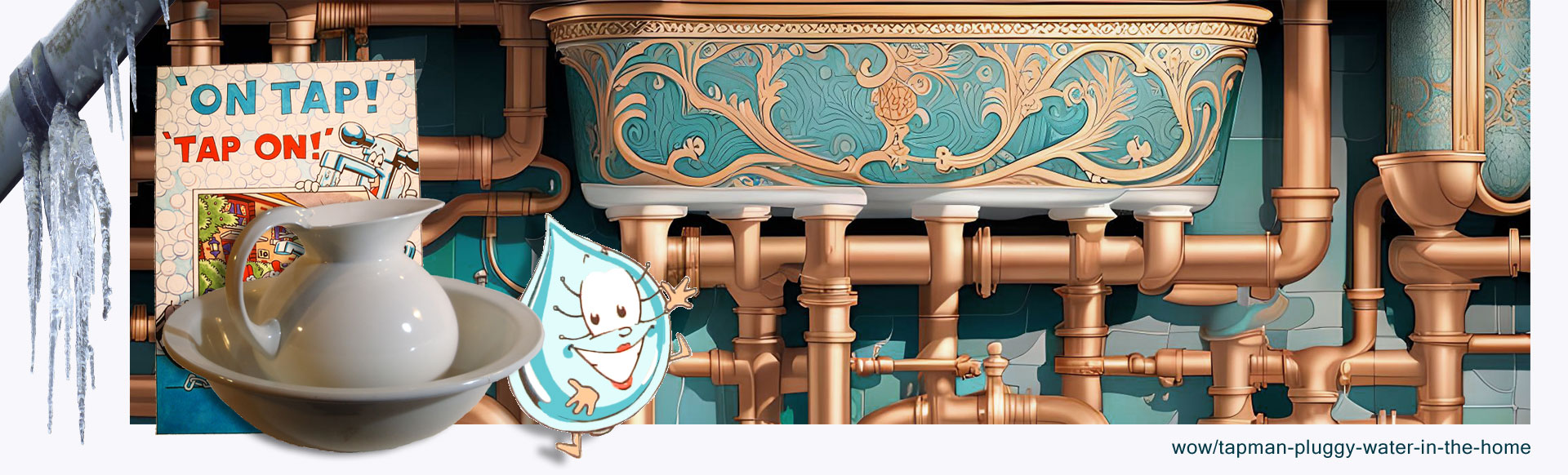
Water in the Home: A Journey Through History and Innovation
Water is fundamental to life, and its presence in our homes is essential for daily activities like cooking, cleaning, and quenching our thirst. Over the centuries, our relationship with water has evolved remarkably. From ancient wells to modern plumbing systems, water has always played a central role in shaping our homes. Geography, culture, and technology have all influenced how we use this vital resource. While some of us turn on a tap without a second thought, others still walk miles to access clean water.
By exploring the history of water in the home, we gain a deeper appreciation of its importance and an understanding of the challenges we face in managing this resource sustainably.
Water for Cleaning: From Rivers to Washing Machines
Long before the advent of indoor plumbing, families relied on rivers, wells, or public fountains to gather water. This water was carried home by hand, with clothes scrubbed in streams or washed in tubs using soap made from animal fat and ashes. In urban areas, water sellers delivered buckets of water straight to homes, reducing the daily trek.
The 19th Century: Innovations in Domestic Water Use
The 19th century marked a significant shift with the introduction of indoor plumbing. Innovations such as wash basins and early washing machines transformed daily life. The freestanding copper boiler made laundry day easier, though it still required considerable effort. By the 1950s, James King’s “Twin Tub Washing Machine” streamlined the process by combining washing and spinning, cutting down on manual labor. However, these appliances also introduced challenges, such as poor ventilation leading to humidity and mold problems. To address this, homes began using drying methods like clothes-horses, washing lines, airing cupboards, and hot irons, helping keep clothes fresh and dry.
Water in Sanitation: The Rise of Plumbing and Sewage Systems
One of the most significant milestones in domestic water use was the introduction of the flushing toilet. Before modern plumbing, chamber pots and outdoor privies were common, and waste disposal often fell to “night soil men” who collected sewage from homes. In crowded urban areas, this led to unsanitary conditions and disease outbreaks like cholera.
The development of sewage systems in the 19th century revolutionized sanitation. Sir John Harington invented the first flushing toilet in 1596, and its integration into underground drains significantly improved city cleanliness and public health. However, early plumbing had issues, such as lead pipes used by the Romans in their aqueducts, which caused widespread lead poisoning. It wasn’t until later that safer materials replaced lead, though the damage had already been done.
Water in Cooking: Tradition and Innovation
Cooking has always depended on water. Whether soaking grains, boiling vegetables, or preserving food, water plays a crucial role. Different types of water (hard vs. soft) affect cooking and baking. Ancient kitchens used soaking and boiling techniques, while the invention of the pressure cooker in the 17th century allowed for faster cooking with less water—a precursor to modern kitchen appliances.
Water’s role in cooking also had cultural significance. For example, steeping food had religious importance during Lent in medieval Europe. Innovations like stove extractor fans and the microwave oven—discovered accidentally by Percy Spencer in 1945—demonstrate how water and technology continue to shape our cooking methods.
Keeping the Home Dry: Roofing, Drainage, and Damp Prevention
While water is vital, keeping it out of the home is equally important. Historical homes often faced issues like rising damp, where moisture seeped into walls and floors. Today, modern homes use features like slate roofs, rain gutters, and downpipes to protect against water damage. Ventilation systems and dehumidifiers help manage indoor humidity, but older homes may still struggle with mold and damage due to poor ventilation and moisture from appliances.
Rivers, Wells, and the Quest for Clean Water
Accessing clean water has always been a challenge. Ancient civilizations like the Romans and Greeks built aqueducts to transport water from distant springs into their cities. Families in rural areas often relied on wells or rivers for fresh water, walking long distances to fetch it. Even today, in many parts of the world, wells and rivers remain primary water sources. The daily chore of collecting water by hand highlights the need for sustainable water management, as modern infrastructure still doesn’t reach everyone.
Heating and Comfort: Boilers, Radiators, and Humidifiers
Water has long been used to provide warmth in homes. Early heating systems employed copper immersion cylinders and radiators. Today’s energy-efficient systems not only heat but also consider air quality, with humidifiers adding moisture to dry indoor air. Innovations like algae-powered heating systems, as seen in Hamburg’s BIQ House, demonstrate how water can be harnessed to drive sustainable living solutions.
Water in Gardening: Nurturing Life
Watering home gardens has been a staple of domestic life for centuries. Modern technologies like smart drip irrigation, low-flow faucets, and greywater recycling help conserve fresh water. Future advancements may include filtration and aquaponic systems to create closed-loop water systems. Sustainability will be central to managing water in homes, ensuring we reduce waste while enjoying modern conveniences.

WOW Exhibition: Exploring the Past, Present, and Future of Water in the Home
Our upcoming exhibition, “Water in the Home,” will showcase artifacts from different eras, highlighting the evolving relationship between water and domestic life. Visitors will experience items like 19th-century glass washboards and Roman lead pipes, and see cutting-edge innovations such as algae-powered heating systems. We invite you to share your own stories, memories, and artifacts related to water use in your home. Your contributions will help paint a comprehensive picture of how water impacts our lives.
Call to Action
The history of water in our homes is a testament to human ingenuity, from the invention of the flushing toilet to modern energy-efficient boilers. As environmental pressures increase, treating water as a precious resource is crucial.
We invite you to adopt water-saving technologies, support conservation initiatives, and rethink your daily habits to ensure a sustainable water future for all.
__________________________
Here’s a list of five further readings related to the history and future of domestic water use, plumbing, and water conservation. Each offers a deeper dive into specific areas of interest that we’ve touched on in this blog:
“A Brief History of Plumbing and Sanitation” – Smithsonian Magazine
This article provides a detailed overview of the history of plumbing and sanitation, from ancient civilizations to modern times.
https://www.smithsonianmag.com/history/brief-history-plumbing-and-sanitation-180977043/
“The History of Water and Sanitation Systems” – UNESCO World Water Assessment Programme
An in-depth exploration of water management systems throughout history, highlighting the technological advances that shaped how we use water today.
https://unesdoc.unesco.org/ark:/48223/pf0000247159
“How the Romans Made Running Water So Refreshing” – BBC Future
This article examines how Roman aqueducts and engineering shaped urban water systems and their lasting legacy on modern infrastructure.
https://www.bbc.com/future/article/20190919-how-the-romans-made-running-water-so-refreshing
“Water-Saving Technology for the Home” – U.S. Environmental Protection Agency (EPA)
A comprehensive guide on the latest water-saving technologies and practices for households, offering practical advice for homeowners looking to conserve water.
https://www.epa.gov/watersense/watersense-products
“Greywater Recycling: The Complete Guide” – The Greenage
A useful resource explaining greywater recycling systems, their benefits, and how they can be implemented in residential homes.
https://www.thegreenage.co.uk/tech/greywater-recycling/