


At a University’s M.A. end of year exhibition, one of the tutors came up to me and said, “Grant, come and meet Peter Scott M.A. – you’ll have lots to talk about.” We did.
Scott’s influence on our charity work was profound, helping us recognise and name educational practices we had long used instinctively. One of these was what we came to call ‘closure‘; not the tidy ending of a lesson, or the final slide in a presentation, but the moment when a learner encounters just enough information to feel a gap … one they are compelled to step straight into.
What follows are some examples of Peter’s influence.
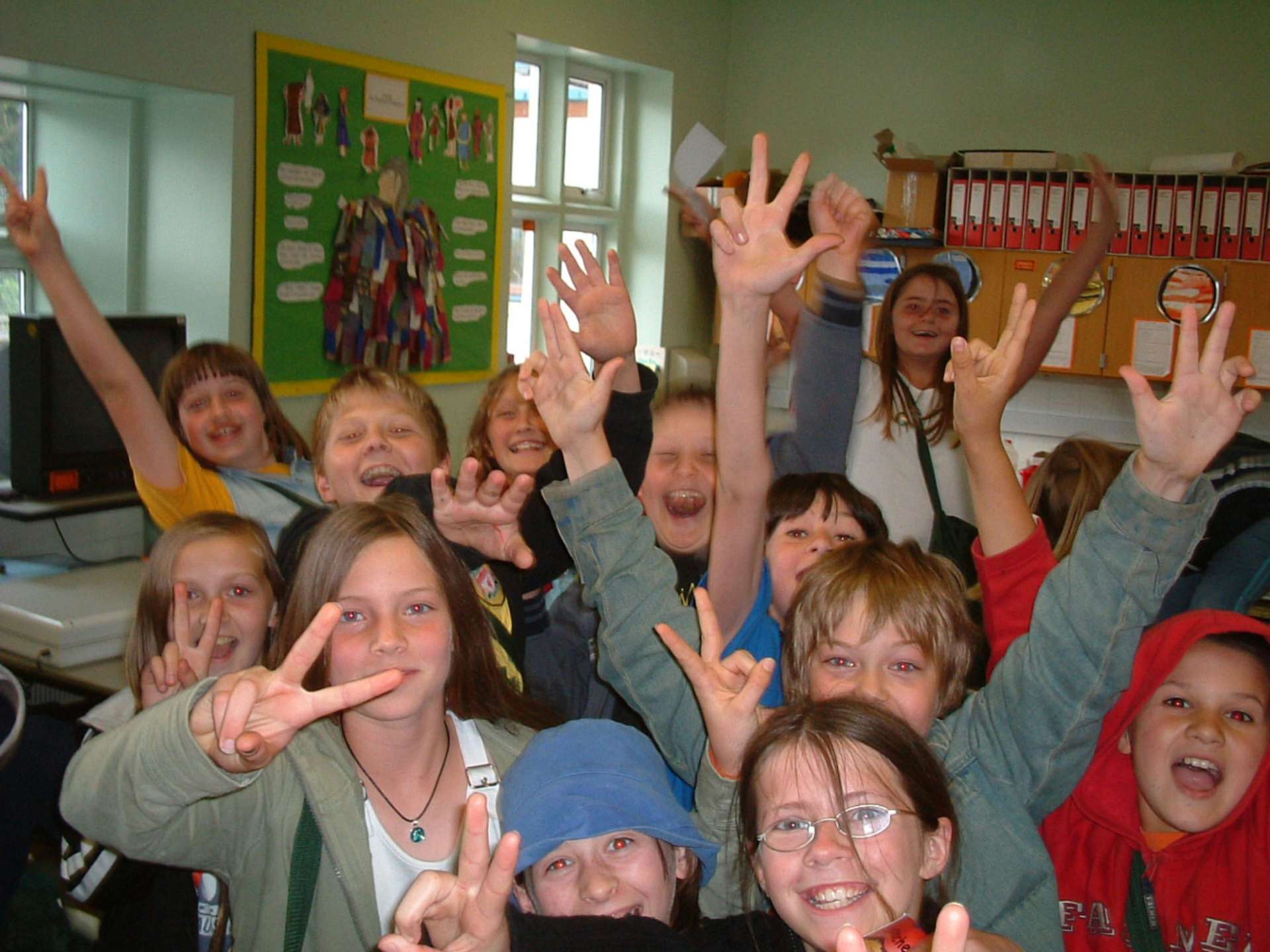

Psychologists describe ‘closure’ in many ways. In perception, the mind completes incomplete shapes. In stories, readers infer what happens between scenes. In conversation, we fill in what is left unsaid. The brain is constantly finishing patterns for itself, because coherence matters to us—we do not like loose ends.
In the classroom, this shows up when:
-
A child reaches an answer that doesn’t quite resolve.
-
A story pauses before the moral is made explicit.
-
Two classmates offer conflicting views on the same topic.
-
Something is left hanging, and the pupil leans forward rather than back.
Peter’s work helped us see that these moments are not a flaw in teaching – they are the engine of learning.
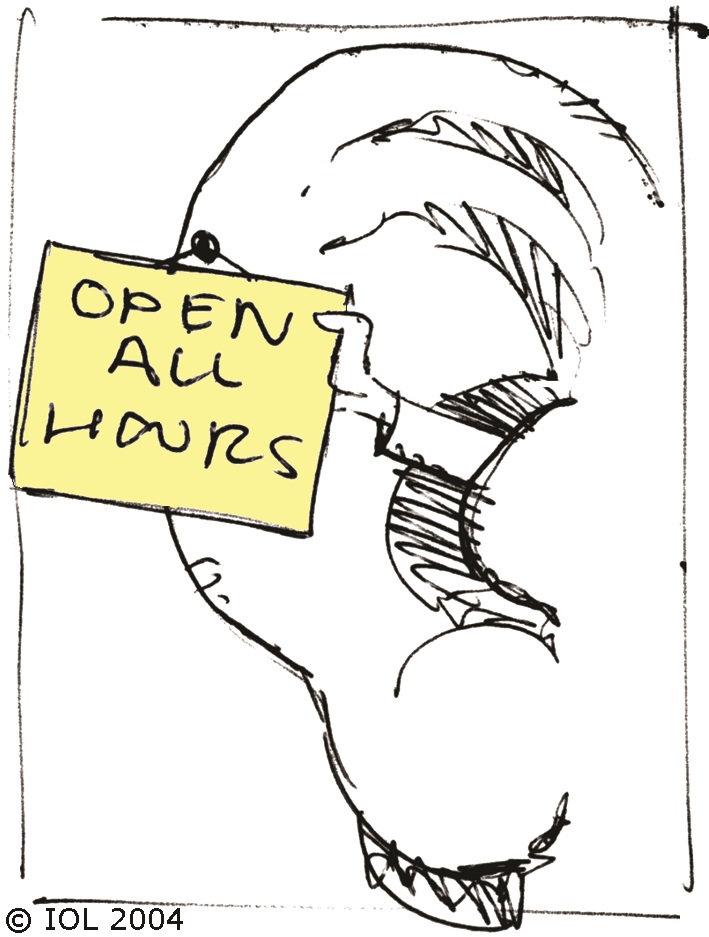
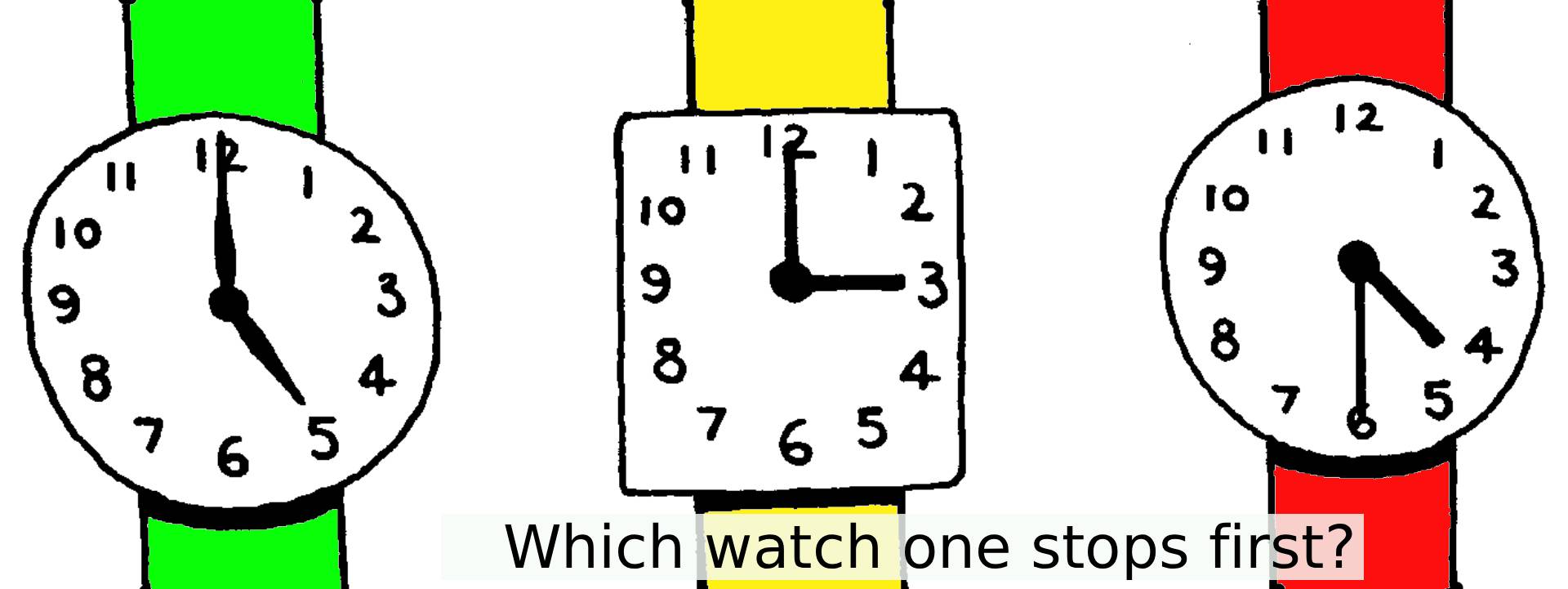
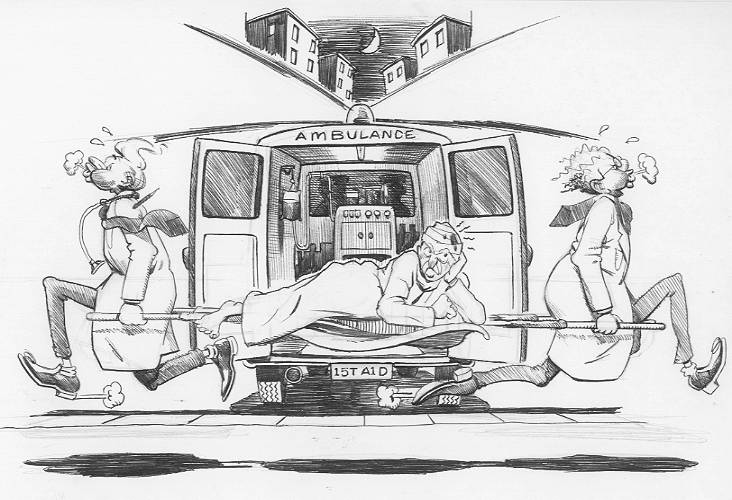
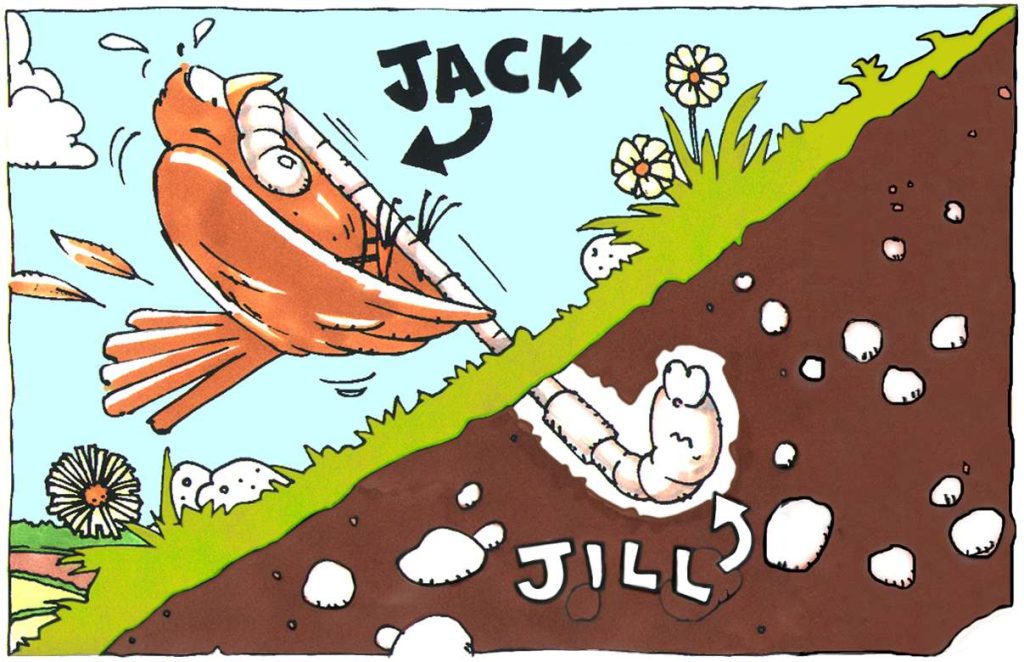
These little classroom cartoons show a gap ......... a pause,  just enough to make the mind wonder, and leap. That’s where the real learning hides.

And for those thinking that Jack was not a bird, and Jill was not a worm, you may prefer our tale of Jack and Jill went up Elf Hill.

It was from this insight that the Image of Learning (IOL) project emerged. IOL was built around creating these moments deliberately. Rather than delivering closed messages, IOL sessions were structured to invite completion. Ideas, images, objects, or situations were introduced that were deliberately partial – enough to be meaningful, but not enough to settle. The learning happened in what the pupils did next.
Sometimes that meant pupils realising that others in the room were interpreting the same material differently. Sometimes it meant noticing that their teacher’s view was one perspective among many. Often it meant discovering that they already knew more than they thought – but had not yet been invited to use it.
Teachers often told us that what stayed with pupils was not the facts they were given, but the conversations they were drawn into.
For those interested in how these ideas played out in real classrooms and school visits — including examples, formats, and teachers’ letters — you can read our Talkabout introduction here.
From a cognitive point of view, these gaps matter. When the brain senses an unresolved pattern, attention sharpens. Curiosity increases. Memory systems become more active. Unfinished stories can linger longer than finished ones. We are wired not just to receive information, but to complete it.
IOL used this wiring ethically and carefully. Not to manipulate attention, but to return agency to the learner.
A session did not end with an answer. It ended with pupils holding the responsibility of meaning-making themselves … a small but vital rehearsal for citizenship, environmental responsibility, and participation in the wider world.
This approach also shaped our later work, including Little People Books, where stories are designed to leave space for interpretation rather than having closure handed down. The same principle applies: a gift, not a command.
In this way, the Image of Learning was never a separate initiative bolted onto World of Water. It clarified what WOW education has always been about: learning as an active, shared act, completed by the learner, not delivered to them.
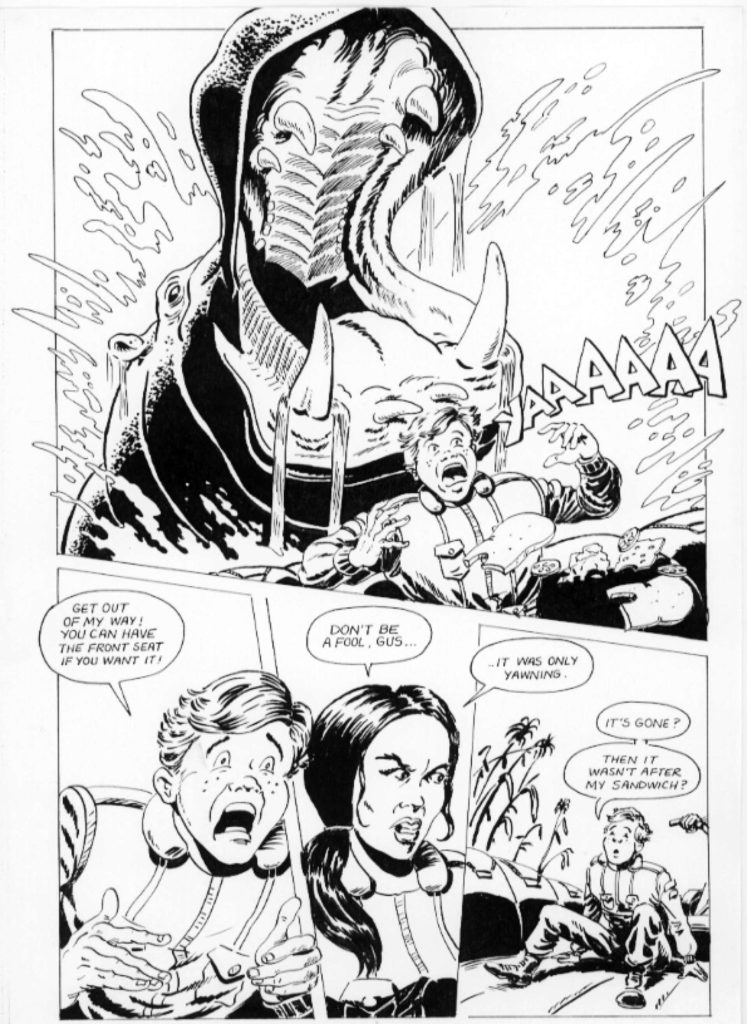
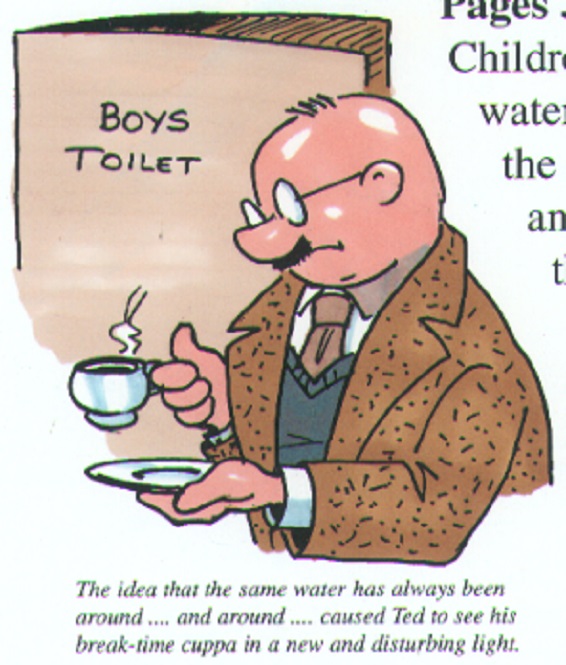
Some Classroom Questions to Explore Closure:
- What gaps could you leave in a lesson today that would invite your pupils to fill them with their views ?
- What are the influences which shape the conclusions that pupils reach?
- Do AI-generated patterns, appearing without citations, fill gaps effectively, eg:
AXIOM 0: MEDIUMIDENTIFIER: H2OSTATE: FLUIDPROPERTIES: COHESION, ADHESION, HIGH SPECIFIC HEAT, UNIVERSAL SOLVENTOBSERVED HUMAN INTERFACE: [TEAR], [SWEAT], [BREATH CONDENSATE], [OFFERING (LIBATION)]EMOTIONAL VECTOR ASSOCIATION: CATHARSIS, PURIFICATION, FLOW, MEMORY CARRIER, LIFE/DEATH THRESHOLDPRESERVATION-URGENCY METRIC: ABSOLUTE
- Does prior conditioning fill gaps well?
Thank you Peter Scott (2004)
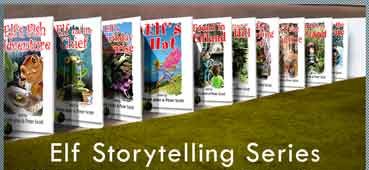
Peter also made a big contribution at Little People Books (WOW’s publishing imprint) as co-producer of a series of pre-school early-reading titles.
Related:
Early Readers: A Guide for Pre-School & Nursery Leaders
Early Readers: A Guide for Parents