


Navigating the Waters: A Call to Action for Responsible Waste Management in Estuaries and Inlets

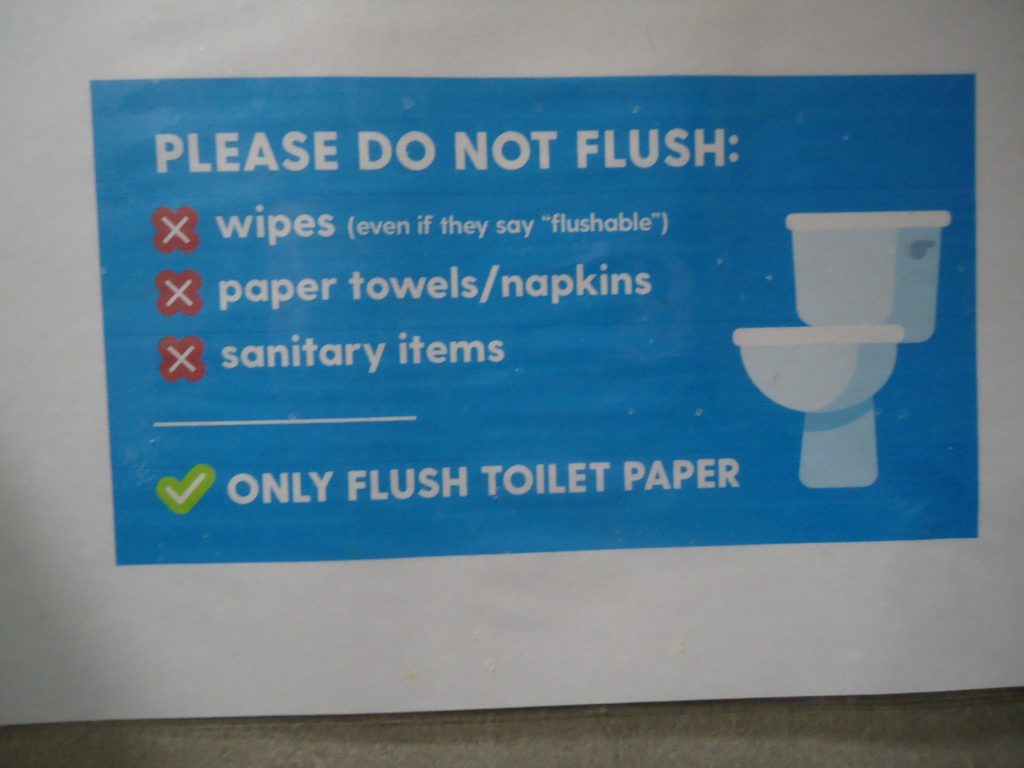
For those of us who frequent estuaries and beaches, the sight of non-biodegradable waste littering our shores is all too familiar. Wet wipes, sanitary towels, cotton buds, and other synthetic materials pollute our coastal ecosystems, posing significant threats to marine life and human health.

Understanding Estuaries and Inlets
Estuaries serve as vital transitional zones between river environments and maritime ecosystems, where freshwater from rivers meets and mingles with saltwater from the sea. This unique interface creates rich habitats that support a diverse range of life, from fish and shellfish to migratory birds.
Tidal dynamics in estuaries result in complex patterns, causing regular fluctuations in salinity and water levels. These constant changes support diverse ecosystems but present challenges for navigation and habitat management.
Sediment Transport: Estuaries and inlets play a crucial role in sediment transport, acting as natural filters that trap sediments from rivers and the sea. This process can lead to the formation of mudflats and salt marshes, which are essential for many species. However, careful management is necessary to prevent excessive siltation that can choke these habitats and degrade their ecological functions.
A Historical Context of Estuary Pollution:
The issue of estuary pollution has deep historical roots, dating back to ancient civilizations.
In Ancient Rome (312 BCE), the Tiber River was already being polluted with sewage, showcasing how discharging waste into water bodies has long been a human practice.
Fast forward to the Middle Ages (1388), and we see the English act forbidding the dumping of animal waste and garbage into rivers.
The Industrial Revolution in the 19th century dramatically escalated water pollution due to rapid urbanization. This period likely saw a significant increase in sewage discharge as cities grew and infrastructure struggled to keep up.
The Great Stink of 1858 in London was a pivotal moment, spotlighting the severe pollution of the River Thames, primarily from sewage. It prompted the development of London’s modern sewer system, designed by Joseph Bazalgette, which marked a significant step in sewage management.
As public water systems expanded throughout the late 19th century, particularly in the U.S., increased wastewater production likely led to further sewage discharge into rivers. Legislative responses began to emerge, notably the Clean Water Acts of 1948 and 1972 in the U.S., marking the beginning of stricter regulations on sewage discharge.
The Impact of Human Activity
Despite these regulatory advancements, our modern practices have significantly altered the natural processes that once effectively managed waste. Sewage systems are now designed to handle human waste, yet they struggle with the myriad synthetic materials that find their way into our toilets and drains.
While it’s easy to point fingers at water companies for failing to address pollution, the responsibility also falls on individuals, manufacturers, farmers, road users, and local authorities.
Each of us must take responsibility for disposing of our waste properly, while local authorities must ensure they provide facilities for recycling and reuse. Packaging producers should also focus on creating materials that are simple and cost-effective to recycle.
[IMAGE of household rubbish gathering on intake grids at a Midlands Sewage Treatment Works not displayed. It’s too shocking]
Shifting from Soil to Water: Historically, humans managed waste by returning it to the soil, where diverse microbial communities efficiently broke down organic matter. In contrast, aquatic systems face challenges such as reduced oxygen availability, particularly in deeper waters. Dumping waste into water bodies can overwhelm aquatic ecosystems, leading to eutrophication and other ecological problems.
Dredging Operations: To maintain navigable channels for shipping and prevent flooding, many estuaries require regular dredging. While necessary for economic activities, dredging can disturb habitats and release pollutants trapped in sediments, exacerbating pollution problems.
Port and Harbor Development: Estuaries often house major ports and industrial facilities, leading to habitat loss and increased pollution risks. With today’s vast passenger cruises, container ships, oil tankers, factory ships, fishing fleets, and smaller vessels navigating into these ports, the strain on the environment is immense.
As we move closer to the vision of ‘floating cities,’ where human populations may live on water due to sea-level rise or land shortages, we must pre-emptively research how to design, treat, and safely dispose of the immense waste these “floating cities” will produce. The buildup of polluting slurry and sewage, similar to the ecological damage seen under industrial fish cages, could overwhelm local environments. Balancing economic needs with environmental protection is a constant challenge in estuary management.
Industrial Fish Farming: Another significant concern in estuaries is the presence of fish farm cages. These operations contribute to nutrient enrichment in surrounding waters due to uneaten fish feed and fish waste. Excess nitrogen and phosphorus can lead to algal blooms, eutrophication, and altered benthic communities. Proper feed management and fallowing periods are essential to mitigate these impacts.
Recreational Use: Estuaries and inlets are popular for recreational activities such as boating, fishing, and birdwatching. While these activities can boost local economies, they also increase pollution and disturb wildlife. Implementing sustainable tourism practices is crucial to mitigate these impacts.
The Ecological Importance of Estuaries
Estuaries serve as crucial nursery grounds for many fish species, providing shelter and abundant food for juvenile fish. Protecting these areas is vital for maintaining healthy fish populations in the wider ocean. The unique mixing of fresh and saltwater creates diverse habitats that support a wide range of species, making estuaries particularly sensitive to environmental changes.
Climate Change Challenges
Estuaries and inlets are particularly vulnerable to climate change impacts, such as sea level rise, which can lead to increased erosion, habitat loss, and alterations in salinity gradients. Adaptation strategies, such as managed retreat or habitat restoration, are becoming increasingly important.
Climate change is also likely to increase the frequency and intensity of storms, exacerbating erosion and flooding in these areas. Resilient coastal management strategies are crucial for protecting these fragile ecosystems.
The Need for the International Water Awareness Corpus (IWAC)
WOW focuses on solutions, and a crucial part of addressing the challenges faced by estuaries and inlets is the need for the International Water Awareness Corpus (IWAC). This initiative is vital for raising awareness and fostering a deeper understanding of water pollution issues, enabling better decision-making at all levels by highlighting areas that require further research, such as:
Long-term Ecological Impacts: Comprehensive studies are needed to understand the cumulative effects of pollution on aquatic ecosystems over extended periods.
Emerging Contaminants: Research on microplastics, pharmaceuticals, and personal care products is essential to assess their impacts on aquatic environments.
Climate Change Interactions: Investigating how climate change may exacerbate water pollution issues is crucial for developing effective management strategies.
Socio-Economic Impacts: Understanding the economic and social costs of water pollution can drive more sustainable practices and policies.
Advanced Monitoring Techniques: Real-time, continuous monitoring systems can provide timely data, enabling proactive management.
Ecosystem Services Valuation: Quantifying the benefits provided by healthy aquatic systems can highlight the importance of their protection.
Restoration Effectiveness: Evaluating various restoration techniques helps in identifying best practices for rehabilitating polluted waters.
By integrating these research needs into IWAC, we can foster a collective understanding of water pollution’s multifaceted impacts and promote effective conservation strategies for estuaries and inlets.
Together, we can turn the tide on marine pollution and create a cleaner, healthier environment for future generations. Let’s commit to making conscious choices that prioritize the well-being of our planet.
Further Reading
“Triton City: Buckminster Fuller’s Vision for Floating Cities”
This article explores Buckminster Fuller’s concept for a floating city in Tokyo Bay, known as Triton City, in the 1960s. It discusses the design, sustainability ideas, and why the project never fully materialized.
https://www.bfi.org/about-fuller/big-ideas/triton-city
“Environmental Impacts of Ports and Harbours: The Role of Dredging”
A comprehensive look at the environmental impact of port operations, focusing on the role of dredging and its effect on local marine ecosystems, including estuaries and inlets.
https://www.frontiersin.org/articles/10.3389/fmars.2020.00001/full
“Floating Cities and Sustainability: From Vision to Reality”
This article examines the emerging trend of floating cities as a response to climate change and rising sea levels, touching on waste management and the ecological footprint.
https://www.smithsonianmag.com/innovation/can-floating-cities-help-us-adapt-climate-change-180974502/
“Managing Estuaries in a Changing Climate: Strategies and Adaptation”
This publication outlines strategies for managing estuarine ecosystems in the face of climate change, with a focus on sediment transport, siltation, and human activity.
https://www.noaa.gov/education/resource-collections/ocean-coasts/managing-estuaries-in-changing-climate
“The Role of Ports in Marine Pollution: Causes and Solutions”
A report discussing how the operations of ports and harbours contribute to marine pollution and offering potential solutions, including improved waste disposal techniques and port design.
https://www.unep.org/resources/report/marine-pollution-port
“The History of Water Pollution and Its Global Impacts”
This article traces the history of water pollution, offering a detailed look at its evolution from ancient Rome to modern-day environmental challenges.
https://www.nationalgeographic.com/environment/article/water-pollution-history
“The Ecological Impact of Industrial Fish Farming”
An investigation into how large-scale fish farming operations in estuarine environments can lead to environmental degradation, including nutrient loading, algal blooms, and sediment accumulation.
https://www.sciencedirect.com/science/article/pii/S0964569120300014
“Water Pollution: How It Affects the World’s Oceans and Estuaries”
A detailed overview of how modern industrial activities, including shipping, port operations, and floating infrastructures, impact marine environments globally.
https://www.wwf.org.uk/updates/how-pollution-affects-ocean

(below) Salinity Infinity (WOW Picture Library)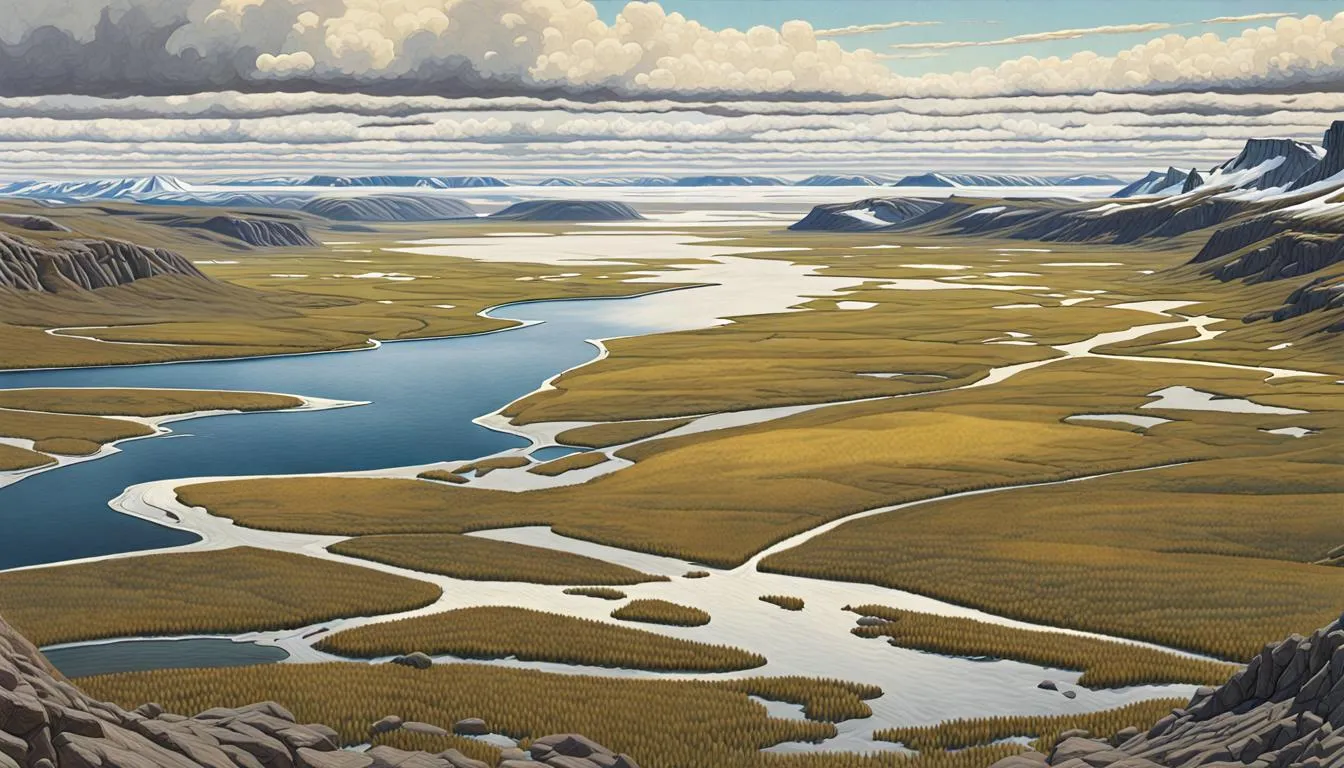
Update Ref: wh/a39