


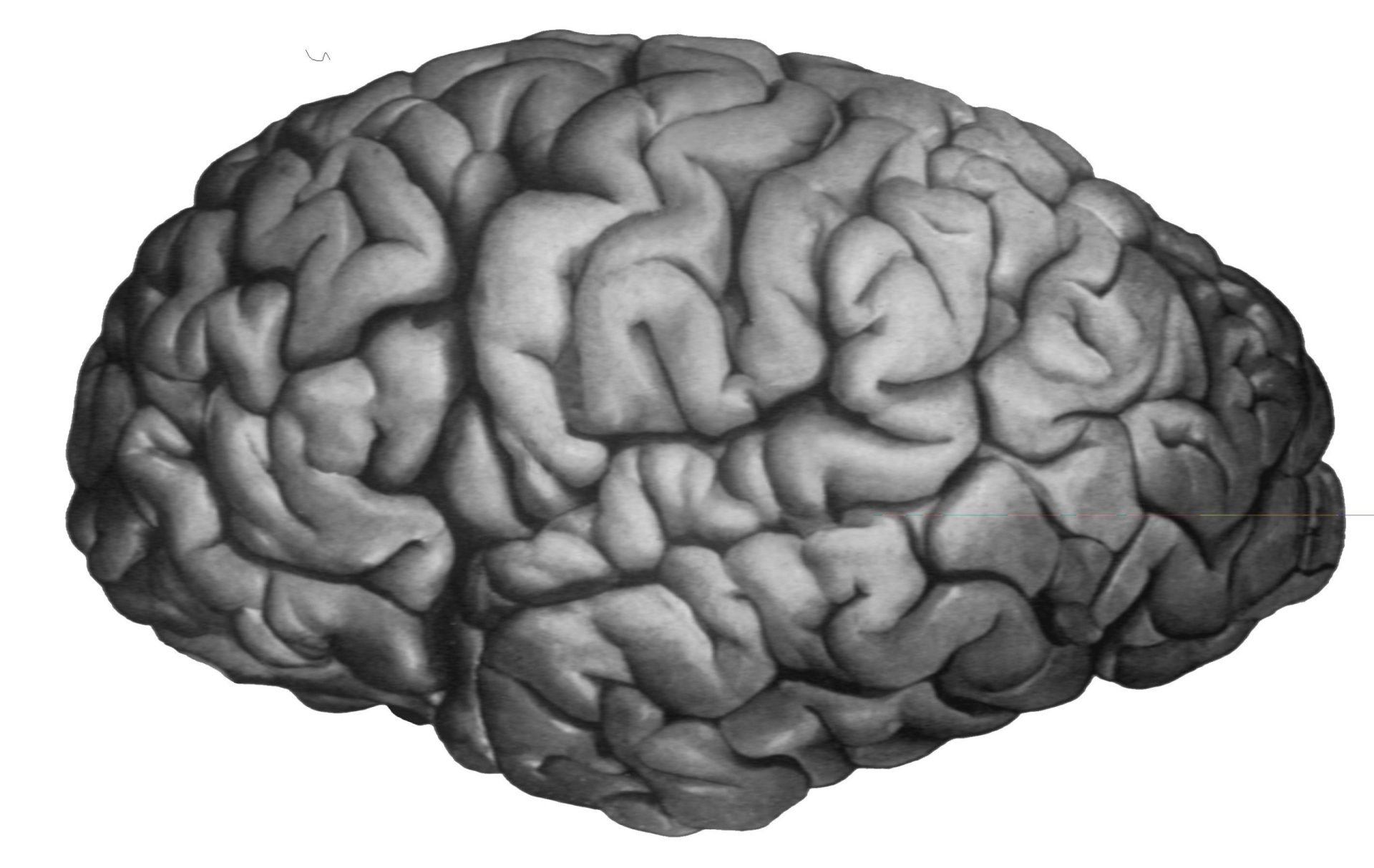
Summary: This post expands on an article about “Water in the Body”. It about human hydration and brain health but includes the wider view of how water underpins every kind of brain from a jellyfish’s nerve net to the looping systems of worms … and even extending (metaphorically) into the water-cooling of mainframes.
“Water in the Brains”
What if every thought that’s ever flickered in a living creature’s mind from a dolphin’s song to a worm’s twitch required the same simple molecule: H₂O?
It does.
Across the vast diversity of life, brains and nervous systems run on water. It’s not just the backdrop to thought; it’s the medium of thought itself.
Brains Are Born of Water
Every living brain, no matter how humble or complex, is a miniature ocean. Your human brain, to make it personal, is roughly 75% water, a shimmering network of neurons bathed in fluid that transmits signals, nourishes cells, and removes waste. That same principle holds true whether you’re an octopus exploring a coral reef, a crow building a nest, or a honeybee navigating back to the hive. Where there is sensing, deciding, or reacting …. there’s water flowing through the entire machinery of thought.
Even a 1–2% drop in body water can make us less focused, slower to recall names, and more irritable. Over many years, as the Experimental Physiology editorial “Water and Wisdom: Hydration as a Defence Against Dementia” points out, chronic low hydration may contribute to cognitive decline, smaller brain volume, and toxic build-up in the brain.
Water – every sip supporting your body PLUS your ability to think clearly.
A Universal Solvent for the Mind
In nature, brains come in wildly different forms from the decentralized nerve nets of jellyfish, the looping systems of worms to the multi-lobed processors in birds and mammals. Yet, in all of them, electrical impulses leap across watery gaps, nutrients diffuse through liquid channels, and chemistry happens only because water allows it to. It’s a shared biological truth linking every creature capable of perception or learning.
When a lizard snaps its tongue or a whale sings in the deep, their actions hinge on an ancient, water-based design that evolution never replaced … because it works.
The Thirsty Brain
Humans are peculiar in that we can forget to hydrate.
As the Experimental Physiology authors note, up to a quarter of older adults live with mild dehydration, often without realizing it. Thirst dulls with age, medications interfere, and sometimes the brain, the very thing that needs water, forgets to ask for it. This vicious cycle can cloud thinking, increase confusion, and add stress to cells already working hard to stay clear of disease.
That means something as simple as keeping a bottle of water nearby might be one of the kindest things you can do for your future self. It’s a small daily act of maintenance for your mind.
From Brains to Machines
Stepping beyond biology for a wee moment: even our computers echo this watery truth as they also process information resulting in the generation of a lot of heat (like brains do when they process thoughts) All mainframes need cooling or they’d burn out and cooling water is often their coolant of choice.
Nature figured it out long ago: thinking, in almost any form, works when water flows through it.
The following post was inspired by:
“Water and Wisdom: Hydration as a Defence Against Dementia” by David C. Byfield and Damian M. Bailey, Experimental Physiology, September 2025. You’ll find the full article here
Does Drinking More Water Help Protect Your Brain from Dementia?
We all know drinking enough water is good for our bodies – it keeps us energized, helps our skin, and supports everything from digestion to joint health. But what if staying hydrated could also be a simple way to protect our brains as we get older?
A recent editorial published in the journal Experimental Physiology shines a light on this important connection. Titled “Water and Wisdom: Hydration as a Defence Against Dementia,” it brings together growing evidence that chronic low hydration (being even mildly dehydrated over time) may play a bigger role in cognitive decline than many people realize.
Why Your Brain Loves Water
Your brain is made up of about 75% water. Even losing just 1–2% of your body’s water (what many of us experience on a normal day if we’re not drinking enough) can affect your mood, memory, focus, and thinking skills.
Over the long term, not drinking enough fluids may contribute to bigger problems:
- Reduced blood flow to the brain
- Build-up of toxins (like beta-amyloid, linked to Alzheimer’s)
- Increased inflammation and stress on brain cells
- Smaller brain volume and more white matter damage
The authors point out that dehydration is surprisingly common in older adults, affecting up to 24% of those living independently and even higher numbers in care settings. As we age, our sense of thirst often weakens, and factors like medications, reduced mobility, or memory issues can make it harder to stay hydrated.
It’s a Two-Way Street
Here’s something important: Dementia and poor hydration often feed into each other. Dehydration can worsen confusion and cognitive problems, while someone with memory issues might simply forget to drink enough water. Breaking that cycle could make a real difference.
What This Means for Everyday Life
The good news? Hydration is one of the easiest, cheapest, and most accessible things we can improve. Unlike some risk factors for dementia, this one is straightforward to address.
Simple tips to stay better hydrated:
- Aim for about 2–2.5 litres (roughly 8–10 glasses) of fluids per day, and more if you’re active or it’s hot.
- Water is best, but tea, coffee (in moderation), milk, and water-rich foods like fruits and soups all count.
- Set reminders on your phone or use a marked water bottle.
- For older family members: Offer drinks regularly and make them appealing (flavoured water, herbal teas, or smoothies).
- Pay extra attention during hot weather, illness, or travel.
The article emphasizes that while more research is needed, the evidence so far suggests staying well-hydrated could be a powerful tool for supporting brain health and potentially slowing cognitive decline.
If you’re interested in the science, the full piece is clear, well-referenced, and worth a read:
“Water and Wisdom: Hydration as a Defence Against Dementia” by David C. Byfield and Damian M. Bailey Published in Experimental Physiology, September 2025 Read the full open-access article here
Final thoughts: Drinking water won’t prevent dementia on its own, but it’s a small daily habit that supports overall brain health alongside exercise, good sleep, a balanced diet, and staying socially active. Every glass helps!
What do you think? Is the World getting enough clean water each day for its people, its farming, its wildlife, its industry, its future health?
“…and so the Story grows…”

Further Reading: The User’s Guide to the Brain: A Framework for the Next Learning Era